
Published:
Nightmares: what causes them and what can help reduce them
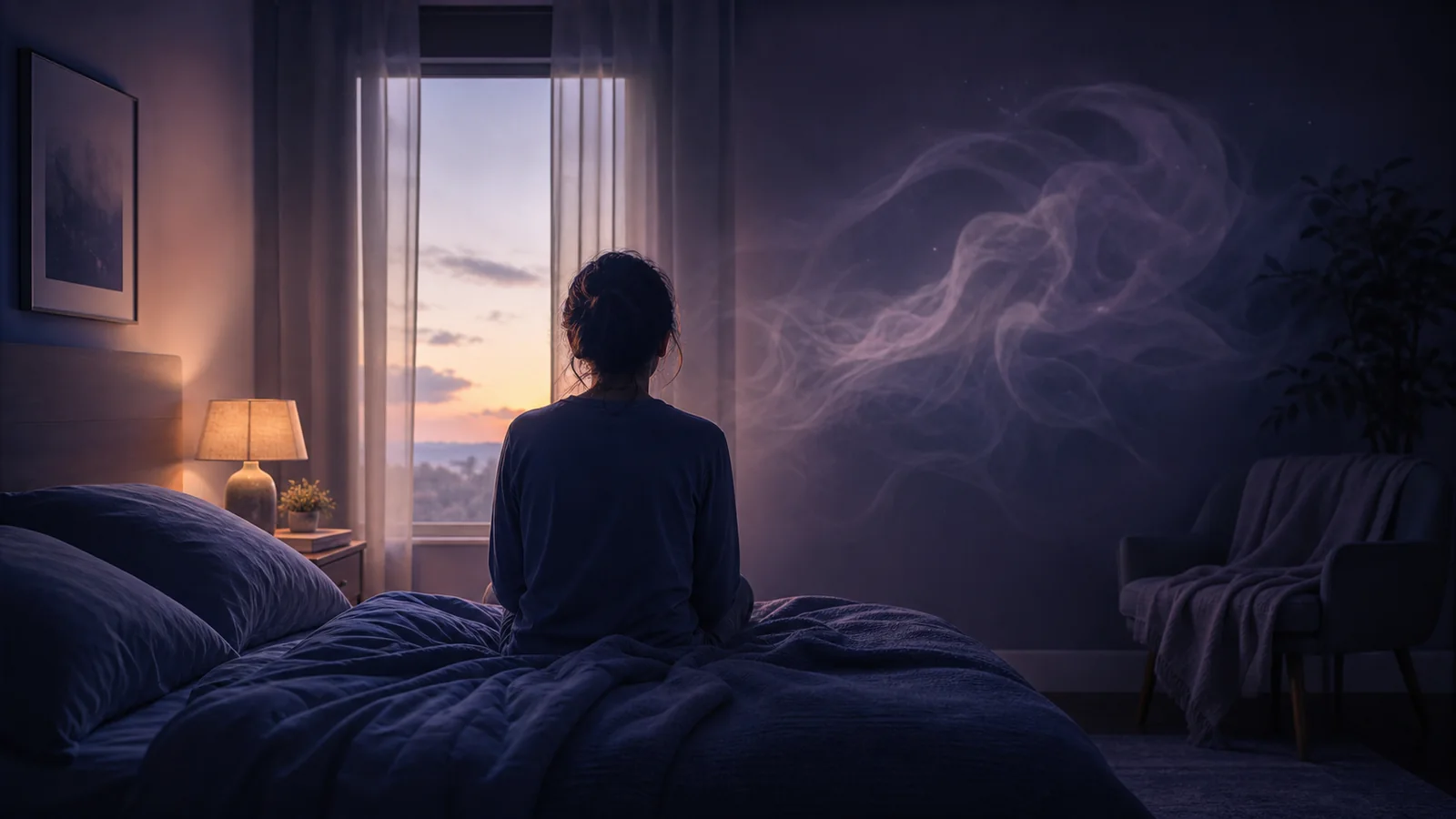
A nightmare can jolt you awake and leave tension lingering all morning. We explain why nightmares happen, what to do after waking, and when it is worth seeking support.
A nightmare is more than an unpleasant dream. It is usually intense enough to wake you, leaving its images and emotions easy to recall. Your heart may be racing, your body tense, and returning to sleep can take time. A single nightmare after a stressful day does not necessarily signal a problem. It deserves closer attention when it begins to recur, takes away your sense of safety, or affects how you function during the day.
Why nightmares happen
There is no single cause shared by everyone. Nightmares are more likely during periods of intense stress, emotional overload, irregular sleep, or after difficult experiences. They can also occur alongside insomnia, anxiety, and post-traumatic symptoms. For some people, dreams change after starting, stopping, or changing a medication or substance. A sudden change connected with treatment should be discussed with a clinician rather than interpreted or managed on your own.
What to do immediately after waking
First, help your nervous system recognize that the danger has passed. Look around the room, name a few things you can see, feel the weight of your body against the mattress, and make your exhale a little longer. You do not have to analyze the plot immediately. If you want to keep a record, three details are enough: the dominant emotion, the most important image, and what happened the previous day. A short note can reveal patterns without forcing you to relive the whole scene in the middle of the night.
A journal reveals a pattern, not a prediction
A useful entry can include bedtime, the time you woke, your stress level, alcohol or medication changes, and whether the nightmare resembled an earlier dream. After several weeks, episodes may cluster around sleep loss, particular situations, or a recurring emotion. That pattern is more useful than a literal symbol-by-symbol translation. A nightmare does not predict the future; it more often reflects how strongly the mind and body are responding to a current or remembered experience.
Sleep basics can help, but they do not solve everything
A regular sleep schedule, less alcohol, a calmer transition into the night, and avoiding persistent sleep deprivation may reduce vulnerability to awakenings and make it easier to fall asleep again. These habits are supportive, not a universal treatment. When nightmares are trauma-related or continue despite a steadier sleep rhythm, sleep hygiene alone may not be enough. The approach needs to match the cause and severity of the symptoms.
How nightmare rescripting works
One of the best-studied approaches is Imagery Rehearsal Therapy. In broad terms, a recurring nightmare is selected, rewritten into a less threatening version, and the new scenario is mentally rehearsed while awake. Research reviews suggest that imagery-based methods that restore a sense of control can reduce nightmare frequency, intensity, and distress. For trauma-related dreams, it is safer to work with a qualified professional who can adapt the pace and scope of the exercise.
When to seek professional support
Speak with a doctor, psychologist, or sleep specialist if nightmares regularly wake you, make you avoid sleep, worsen concentration or mood, or connect with a traumatic experience. A consultation is also important if you make forceful movements while asleep and could injure yourself or the person beside you. The goal is not to find one symbolic answer, but to restore safer, more restful sleep.
As a first step, write one sentence after the next nightmare: “The strongest feeling was…”. That is enough to begin observing the pattern without the pressure to record every detail.